How the Burger Font Can Elevate Your Small Business Branding
As a creative consultant who works with small businesses on branding and design, I’m always on the lookout for tools that can make a big visual impact without requiring a huge investment. Recently, I had the chance to test the Burger font across a few client projects—everything from packaging labels to social media templates—and I was impressed by how this whimsical script font brought a sense of personality and polish to each design.
What Makes Burger Stand Out in a Crowd of Script Fonts
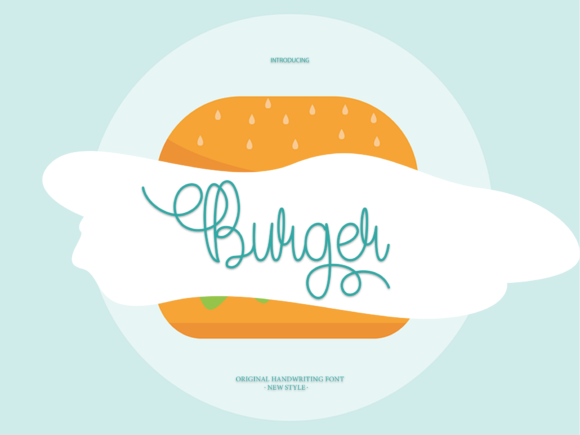
Burger is a thin-lettered, personal, and slightly playful script font that feels both modern and handmade. It’s the kind of typeface that walks the line between professional and personable, which makes it especially valuable for small businesses that want to appear approachable but still polished. Unlike some script fonts that can feel overly formal or decorative, Burger maintains a lightness and simplicity that keeps it versatile across a variety of brand materials.
Its thin strokes and flowing letterforms give it a delicate appearance, but it never feels too fragile. It’s subtle enough for elegant branding, yet expressive enough to stand out on its own. Whether used in a logo or a product label, Burger adds a touch of charm that’s hard to replicate with more generic fonts.
Real-World Branding: How Burger Performed on Customer-Facing Materials
I recently worked with a local candle brand that was updating its jar labels and wanted a font that felt handcrafted and warm, without looking amateurish. We tested Burger on the new label design, and the result was exactly what they were aiming for—elegant, boutique-style packaging that felt intentional and cohesive.
What stood out during this project was how Burger translated well from digital mockups to physical print. The fine lines held up beautifully on the sticker labels, and the font’s natural flow gave the brand a more human, artisanal feel. It also worked surprisingly well on social media graphics—especially Instagram stories and product feature posts—where a clean, stylized font helps draw attention without overwhelming the visual space.
Where to Use Burger for Maximum Brand Impact
This font shines in applications where a personal touch matters. Here are a few real-world uses where Burger made a difference:
- Product labels – Especially for handmade goods, skincare products, or boutique packaging where a soft, inviting tone is key.
- Thank-you cards and stickers – The font’s warmth makes it perfect for handwritten-style notes and branded stickers that customers love to keep around.
- Logo design – Used as a primary or secondary element, Burger can help establish a brand voice that’s creative, modern, and relatable.
- Social media visuals – Whether in quote graphics or promotional banners, Burger adds a stylish flair that enhances engagement.
- Menu design
For cafes or bakeries, using Burger in headers or special menu items can create a cozy, boutique-style feel that customers associate with quality and care.
Readability and Practical Design Tips for Using Burger
Because of its thin lettering and script style, Burger works best in larger sizes and as a display font rather than for long blocks of text. It’s ideal for headlines, short phrases, logos, and decorative accents rather than body copy.
When using it on small labels or mobile screens, I recommend increasing the letter spacing slightly and using a clean background to ensure legibility. It’s also worth checking the font’s alternates and ligatures—Burger includes several stylistic options that can help customize the look depending on the application.
If you’re designing for print, make sure to preview the font at actual size to ensure the fine lines don’t get lost. And for digital use, always test how the font appears on different devices and screen resolutions to maintain visual consistency.
Font Pairing Ideas to Build a Strong Brand Identity
One of the biggest advantages of Burger is how well it pairs with other fonts to create a layered, professional look. Here are a few pairing suggestions:
- Clean sans serif – For a modern contrast, pair Burger with a minimalist sans serif like Montserrat or Lato. This combo works great for brand names and subheadings.
- Elegant serif – If you’re going for a more classic or upscale vibe, a serif font like Playfair Display can balance Burger’s whimsy with a touch of sophistication.
- Handwritten font – For a more casual, artisanal look, use another handwritten font as a supporting typeface to complement Burger’s personality.
These combinations help build a more dynamic and memorable brand identity without overwhelming the viewer. The key is to let Burger shine as the focal point while supporting it with more neutral, readable fonts in secondary roles.
Final Considerations Before Using Burger in Your Branding
Before diving into any font purchase, it’s important to check what’s included. Burger is a script font from the Script Amp category, so it’s best suited for display use rather than extended reading. Make sure the font package includes multiple styles, alternates, ligatures, and supports the languages you need—especially if your brand communicates in multiple languages.
Also, verify the licensing terms. If you’re using Burger in product packaging, merchandise, or digital templates for sale, ensure it comes with a commercial license that covers those use cases. This protects your business and ensures you’re using premium design assets responsibly.
Overall, Burger is a versatile and expressive font that small businesses can use to elevate their visual identity without overcomplicating the design process. Whether you’re updating packaging, designing a new logo, or refreshing your social media assets, Burger brings a sense of warmth and creativity that can help your brand stand out in a meaningful way.